





The whole point of mitigation is to stop the damage from growing. Repair is a different job. It is everything done before the repair to protect what is still sound. Our Rosemead crew mitigates a loss in four moves: control the source, extract the water, contain the wet zone and stabilize the building. When this stage goes right, there is less to rebuild afterward, occasionally nothing at all.
People often use mitigation and restoration to mean the same thing. Each is its own phase of the job. The emergency stage is mitigation, where we stop the loss, keep it from spreading and stabilize the house. Afterward comes restoration, when dryness is verified and ruined flooring, drywall and finishes get fixed or rebuilt. Insurance companies also bill the two as separate line items, which makes it useful to know your current phase.
Four tasks make up most mitigation visits. One: control the source and cut off any new water. Second is extraction, to clear out standing water. Three: contain the area with plastic sheeting and managed airflow, so clean rooms stay free of moisture and contaminants. Fourth is stabilization: unsalvageable materials come out, surfaces receive antimicrobial treatment, and dehumidifiers and air movers are placed. Furniture and personal items are protected too, either relocated or raised on blocks.
Can You Handle Water Damage Mitigation Yourself?
While some minor restoration tasks can be handled by handy homeowners, most water damage work requires professional expertise, specialized equipment, and proper safety training. Consider the following comparison:
| Factor | DIY Approach | Professional Service |
|---|---|---|
| Containment | Towels along the door gap | Plastic containment with managed airflow |
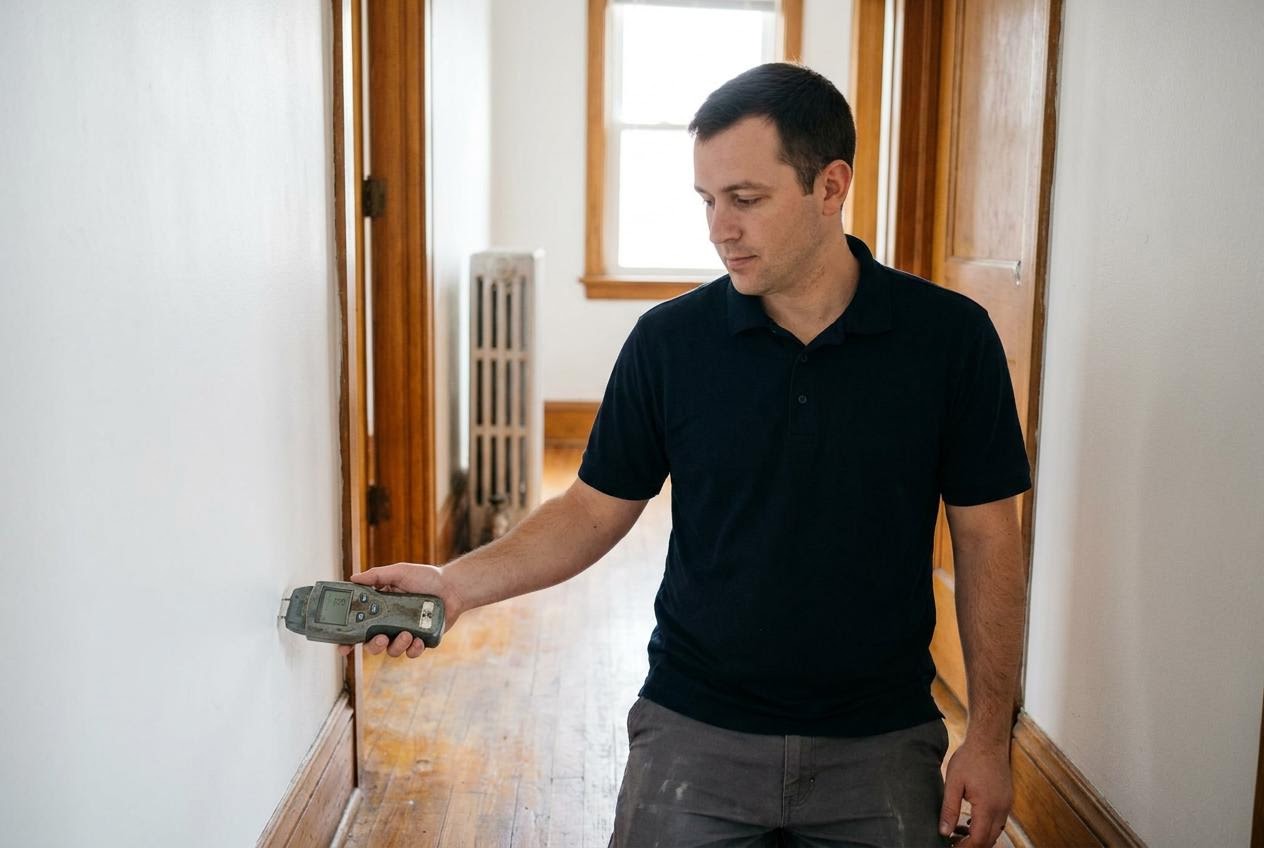
| What stays or goes | Judging by look and feel | Meter data drives each removal |
| Water removal | Wet vac and a stack of towels | Pumps and extractors clear bulk water |
| Contaminated water | Wiping obvious spots with bleach | Antimicrobial matched to water category |
| Source control | Turn it off and assume it held | Cause verified, isolated, recorded |
Ready to Solve Your Water Damage Mitigation Problem?
Call Rosemead Restoration for fast, reliable service.
Call (918) 201-6050 NowWhen to Call for Water Damage Mitigation in Rosemead
Catching these issues early helps you avoid costly problems and protect your property. Watch for these telltale signs that professional help is needed:
- A roof or window opening is letting rain into the building.
- The pipe was repaired by a plumber, and the water it released is still there.
- Your insurer has told you to take reasonable steps to prevent further damage.
- After a leak, the baseboards have swollen or started separating from the wall.
- The house feels muggy and window glass is wet with condensation since the leak.
- Flooring is carrying moisture past the doorway to an adjoining room.
- A musty odor has begun because materials stayed wet for a day.
Early Action Saves Money
What seems like a minor issue today can turn into a major expense tomorrow. Call Rosemead Restoration at (918) 201-6050 at the first sign of trouble.
Water Damage Mitigation Prevention Tips
A little prevention goes a long way in avoiding expensive restoration emergencies. Follow these tips from our IICRC-certified technicians:
- In cold months, a heated house protects pipes from freezing, even while you travel.
- Braided steel supply lines should take the place of rubber ones on the washing machine about every five years.
- Clean the gutters regularly, and aim downspouts so they discharge away from the foundation.
- Have your water heater inspected yearly and replace it before the tank fails.
- An automatic valve on the main line can cut the water as soon as it detects a leak.
- Roof penetrations, door frames and window edges should be sealed ahead of the next big storm.
The Benefits of Professional Water Damage Mitigation
Fast decisions, one after another, are what mitigation consists of. What drywall stays and dries where it is, and what must be removed? Is the water Category 1, 2 or 3, and has it changed since the leak began? Is removing the cabinet toe kick necessary? Each decision rests on meter readings and our training, never on whether something seems dry to the eye or hand.
There is a claim-related reason to do mitigation right as well. Most policies require the owner to take reasonable steps to prevent further damage, and insurers want proof it was done. On arrival we take photos, then log moisture readings every day and itemize whatever is removed. That file shows what the water did and what was done about it. The repair contractor gets a clear place to start as well, without hidden moisture waiting behind fresh drywall.
Questions About Water Damage Mitigation?
Our experienced technicians can assess your situation and recommend the best solution.
Get Help: (918) 201-6050Your Water Damage Mitigation Questions Answered
How We Handle Water Damage Mitigation
Our systematic approach delivers quality results on every project. Here's how we handle water damage mitigation from start to finish:
Control the Source
The supply gets shut off, the broken line capped, or the opening letting water in tarped and boarded. Should a lasting fix require a plumber or a roofer, our team coordinates when that happens.
Extract the Water
Pumps and extractors take out the standing water, and we inspect the carpet and pad. Drying machines on their own cannot limit damage the way prompt bulk extraction does.
Contain Wet Areas
Plastic barriers and controlled airflow separate wet rooms from dry ones. That way dust, humidity and contaminants do not move through the home during the work.
Stabilize the Structure
We remove what cannot be saved, treat surfaces with antimicrobial, and place dehumidifiers and air movers. Each visit includes logged moisture readings, and the structure is usually ready for repair work within 3 to 5 days.
Schedule Your Water Damage Mitigation Service
The sooner you call, the sooner we can help. Reach Rosemead Restoration for same-day service.
Call (918) 201-6050 Today